Litecoin or ethereum
When it comes to choosing between Litecoin and Ethereum, investors often find themselves at a crossroads due to the unique features and potentials of both cryptocurrencies. To make an informed decision, it is crucial to delve deeper into the characteristics, use cases, and market trends of these digital assets. Below are four articles that explore different aspects of Litecoin and Ethereum to help you navigate the complexities of this decision-making process.
Litecoin vs Ethereum: A Comprehensive Comparison of Two Major Cryptocurrencies
Litecoin and Ethereum are two of the most prominent cryptocurrencies in the market today, each with its own unique features and use cases. In this comprehensive comparison, we will delve into the key differences between the two, shedding light on their strengths and weaknesses.
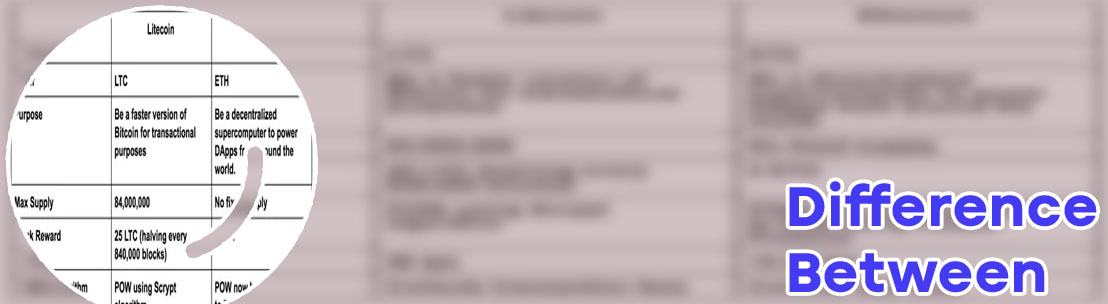
Litecoin, often referred to as the "silver to Bitcoin's gold," was created in 2011 by Charlie Lee. It is known for its faster transaction times and lower fees compared to Bitcoin. Litecoin uses a different hashing algorithm called Scrypt, making it more accessible to regular users who may not have the resources to mine Bitcoin.
Ethereum, on the other hand, was launched in 2015 by Vitalik Buterin and has gained popularity for its smart contract capabilities. Ethereum allows developers to build decentralized applications (DApps) on its blockchain, opening up a world of possibilities beyond simple currency transactions.
One key difference between Litecoin and Ethereum is their respective block times. Litecoin has a block time of 2.5 minutes, while Ethereum's block time is around 14 seconds. This means that Litecoin can process transactions faster, making it more suitable for everyday use cases like retail transactions.
In conclusion, while both Litecoin and Ethereum are valuable cryptocurrencies in their own right, they serve different purposes in the blockchain ecosystem. Litecoin
The Advantages and Disadvantages of Investing in Litecoin over Ethereum
In recent years, cryptocurrencies have gained popularity as investment opportunities. Among the various options available, Litecoin and Ethereum are two prominent choices for investors. Both have their own set of advantages and disadvantages, making it important for potential investors to weigh their options carefully.
One advantage of investing in Litecoin over Ethereum is its faster transaction speed. Litecoin is known for its quicker block generation time compared to Ethereum, allowing for faster transactions. This can be particularly beneficial for investors looking to make quick trades or transfers.
Another advantage of Litecoin is its mining algorithm. Litecoin uses the Scrypt algorithm, which is more accessible to individual miners compared to Ethereum's Ethash algorithm. This can result in a more decentralized network, appealing to those who value decentralization in their investments.
On the other hand, Ethereum has its own set of advantages. One notable advantage is its smart contract capabilities. Ethereum is known for its robust smart contract functionality, allowing for a wide range of applications beyond simple transactions. This can make Ethereum a more versatile investment option for those interested in blockchain technology beyond just currency transactions.
However, Ethereum does have its disadvantages as well. One major concern for investors is Ethereum's scalability issues. The network has faced challenges with congestion and high transaction fees during periods of high demand, leading to potential delays and increased costs
Understanding the Technology Behind Ethereum and How it Differs from Litecoin
Ethereum and Litecoin are two major players in the world of cryptocurrencies, each with its own unique technology and features. In order to truly understand the differences between the two, it is important to delve into the underlying technology that powers them.
Ethereum, often referred to as the world's leading programmable blockchain, was created by Vitalik Buterin in 2015. One of the key features of Ethereum is its use of smart contracts, which are self-executing contracts with the terms of the agreement directly written into code. This allows for decentralized applications (dApps) to be built on the Ethereum network, enabling a wide range of use cases beyond simple peer-to-peer transactions.
On the other hand, Litecoin is often considered the silver to Bitcoin's gold, as it was created by Charlie Lee in 2011 as a fork of Bitcoin. One of the main differences between Litecoin and Ethereum is their mining algorithms. While Ethereum uses a proof-of-stake (PoS) algorithm, Litecoin relies on a proof-of-work (PoW) algorithm. This difference has implications for the speed and efficiency of transactions on each network.
Overall, understanding the technology behind Ethereum and Litecoin is crucial for anyone looking to navigate the world of cryptocurrencies. By grasping the key differences between the
Market Analysis: Which Cryptocurrency, Litecoin or Ethereum, Shows More Potential for Growth?
When considering potential growth in the cryptocurrency market, both Litecoin and Ethereum stand out as strong contenders. Litecoin, often referred to as the silver to Bitcoin's gold, has shown steady growth and stability over the years. With its faster transaction times and lower fees compared to Bitcoin, Litecoin has gained popularity among investors and traders alike.
On the other hand, Ethereum has emerged as a powerful platform for decentralized applications and smart contracts. Its robust ecosystem and developer support have propelled it to the forefront of the blockchain space. The upcoming upgrade to Ethereum 2.0 is expected to further enhance its scalability and efficiency, potentially driving more growth in the future.
In comparing the potential for growth between Litecoin and Ethereum, it is important to consider factors such as market adoption, technology developments, regulatory landscape, and investor sentiment. Both cryptocurrencies have their own strengths and weaknesses, making them unique investment opportunities for the discerning trader.
Overall, while Litecoin may offer more immediate potential for growth due to its lower price point and established user base, Ethereum's long-term prospects are equally promising. Investors should carefully evaluate their investment goals and risk tolerance before deciding which cryptocurrency to invest in.
Recommendations:
- Monitor technological advancements and upgrades in both Litecoin and Ethereum to gauge their potential for growth.
- Keep an eye on